
Stop Blaming the Laptops
The overcrowding at Orlando's best coffee shop has nothing to do with your MacBook

One of my favorite coffee shops in the world is Haan Coffee in Orlando’s Mills 50 district. I say that not as hyperbole but as someone who has cycled through every reasonable alternative in the area and keeps coming back. The coffee is exceptional — complex, consistent, and genuinely unmatched nearby. The seasonal menus and matcha have earned their own following among influencers, and for once, the hype is deserved.
The experience itself, however, is another story.
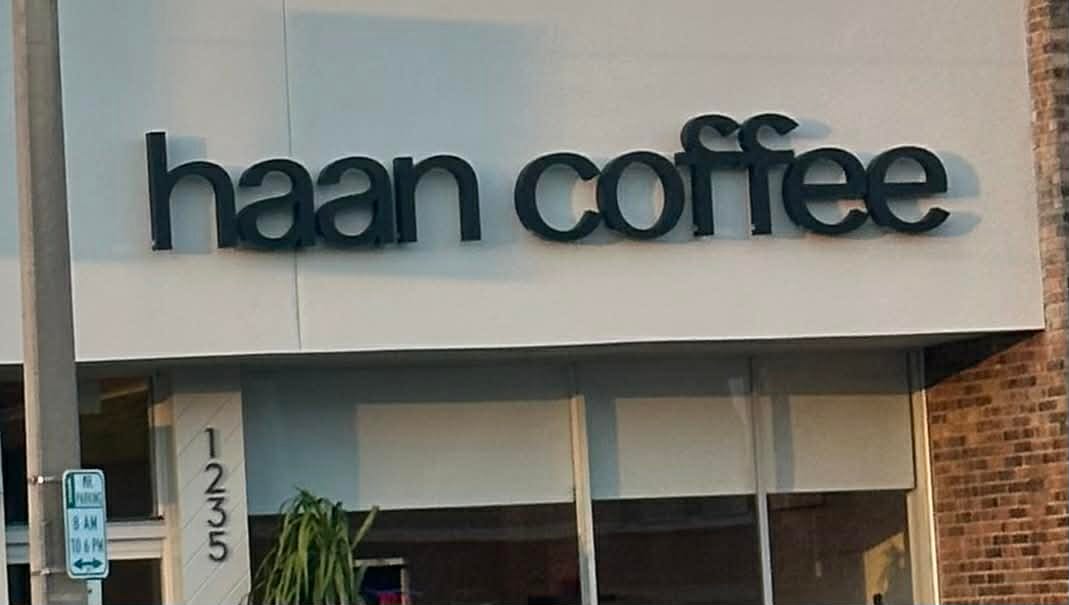
Haan is chaotic. Parking is nearly impossible. Tables are always full. The lines are long, the noise level climbs fast, and the Wi-Fi barely functions. The plugs are broken from overuse. If you didn’t already know how good the coffee was, nothing about the physical experience would compel you to stay.
This tension isn't unique to Haan, or even to Orlando. Across the country, coffee shops are grappling with what it means to be a "third space" — somewhere that is neither home nor office, but a place people go to simply exist in public. As remote work became permanent for millions of Americans, cafes absorbed the overflow. The backlash followed. Shops in New York, San Francisco, Los Angeles, and Seattle have made headlines for banning laptops outright or limiting hours, framing it as a defense of community.
But the debate reveals a deeper discomfort: we've gutted most of the other places people used to go. Libraries have reduced hours. Diners have closed. Parks lack reliable Wi-Fi. The coffee shop didn't ask to become the last affordable public living room — it just happened to be the one still open.
The cafe has publicly addressed the overcrowding, pointing to technology addiction and a lost culture of in-person connection as the culprits. It’s a tidy diagnosis, but it doesn’t hold up. I’ve arrived at opening — 7 a.m. — and found the place already packed. Laptop workers don’t explain a full house at dawn. What does explain it is a combination of genuinely great coffee and a relentless stream of online attention that keeps new customers flowing in faster than the space can absorb them.
Blaming laptops is also a convenient way to avoid the harder question: does a customer studying or working deserve their seat any less than one catching up with a friend? They ordered the same coffee. They paid the same price. Singling out how someone uses their time at a table — especially without anywhere near enough tables to go around — misplaces the frustration.
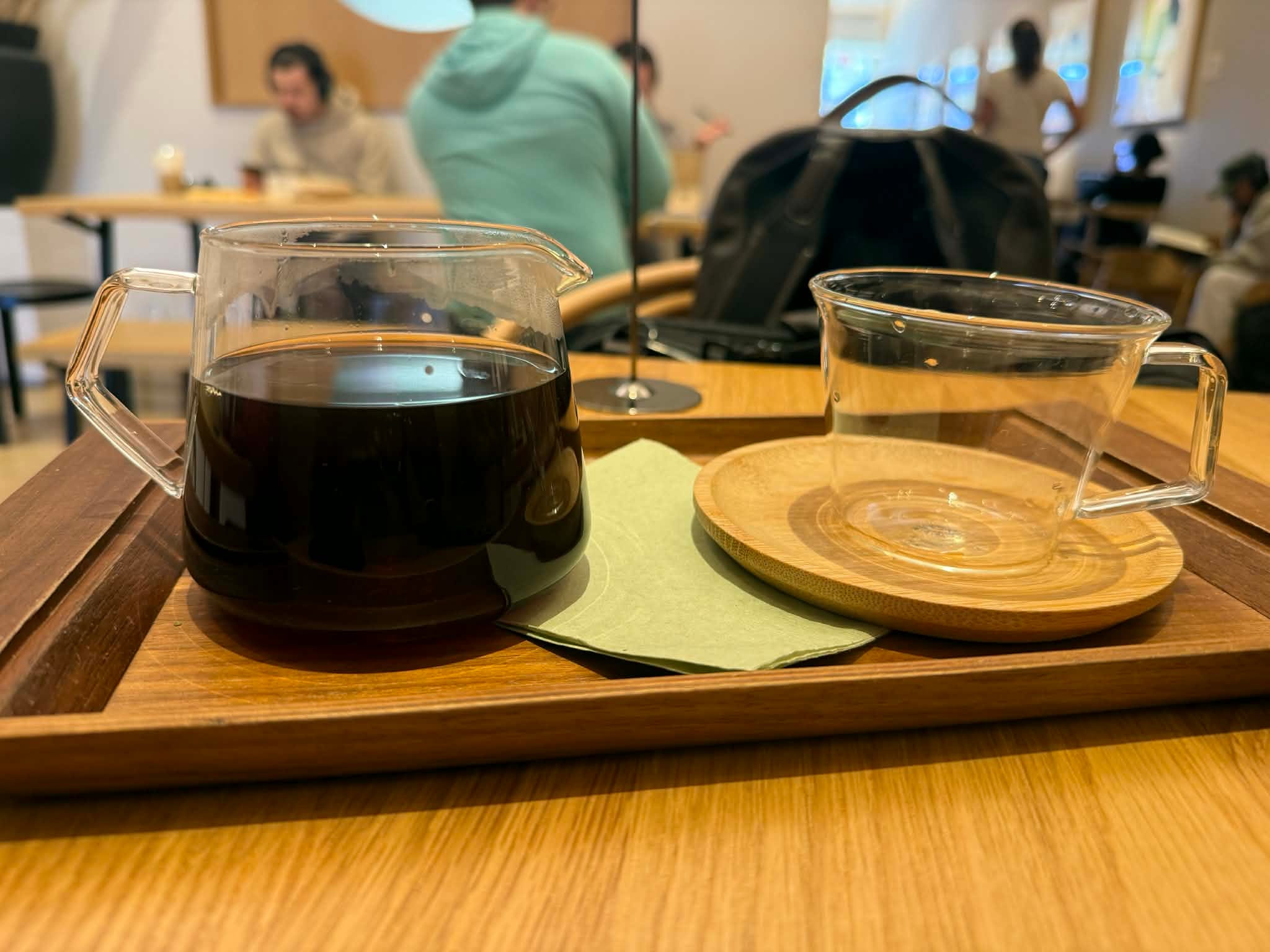
The real problem is simple: Haan is too small for its own demand. A coffee shop with this caliber of product and this volume of traffic should probably be double its current size. The 4-hour parking limit in the lot naturally discourages all-day lounging anyway, and scarcity of parking in Mills 50 does the rest. The seating was never designed for the noise level or the crowd it now draws — it suits a quieter shop for meetings and focused work, not the bustling destination Haan has become.
The neighborhood itself compounds things. As the city pushed bars and nightlife out of downtown Orlando, much of that foot traffic migrated to Mills 50. Towing and paid parking have become more common, and yet there still isn’t a single parking garage in the neighborhood. Haan’s overflow is part of a larger mismatch between how the area is used and how it was built.
Prices have been rising steadily — creeping toward Starbucks territory, especially since tariffs began affecting supply costs — and it hasn’t slowed anyone down. The customer base is fiercely loyal. I include myself in that. I’ll run through my options for the morning and still end up at Haan. It’s just that good.
If there’s a practical fix to be had, it looks more like timed seating than a crackdown on devices. Set a reasonable limit, enforce it evenly, and let the turnover happen naturally. It’s a harder policy to implement than posting a sign about laptops, but it’s an honest one — and it treats every customer as equally worth the seat.
About me: Hello my name is Carlos Hernandez and I am a writer and journalist with over 15 years of experience. I write the food and travel blog Carlos Eats (https://www.carloseats.com) and also contribute to several newspapers and magazines on numerous topics.